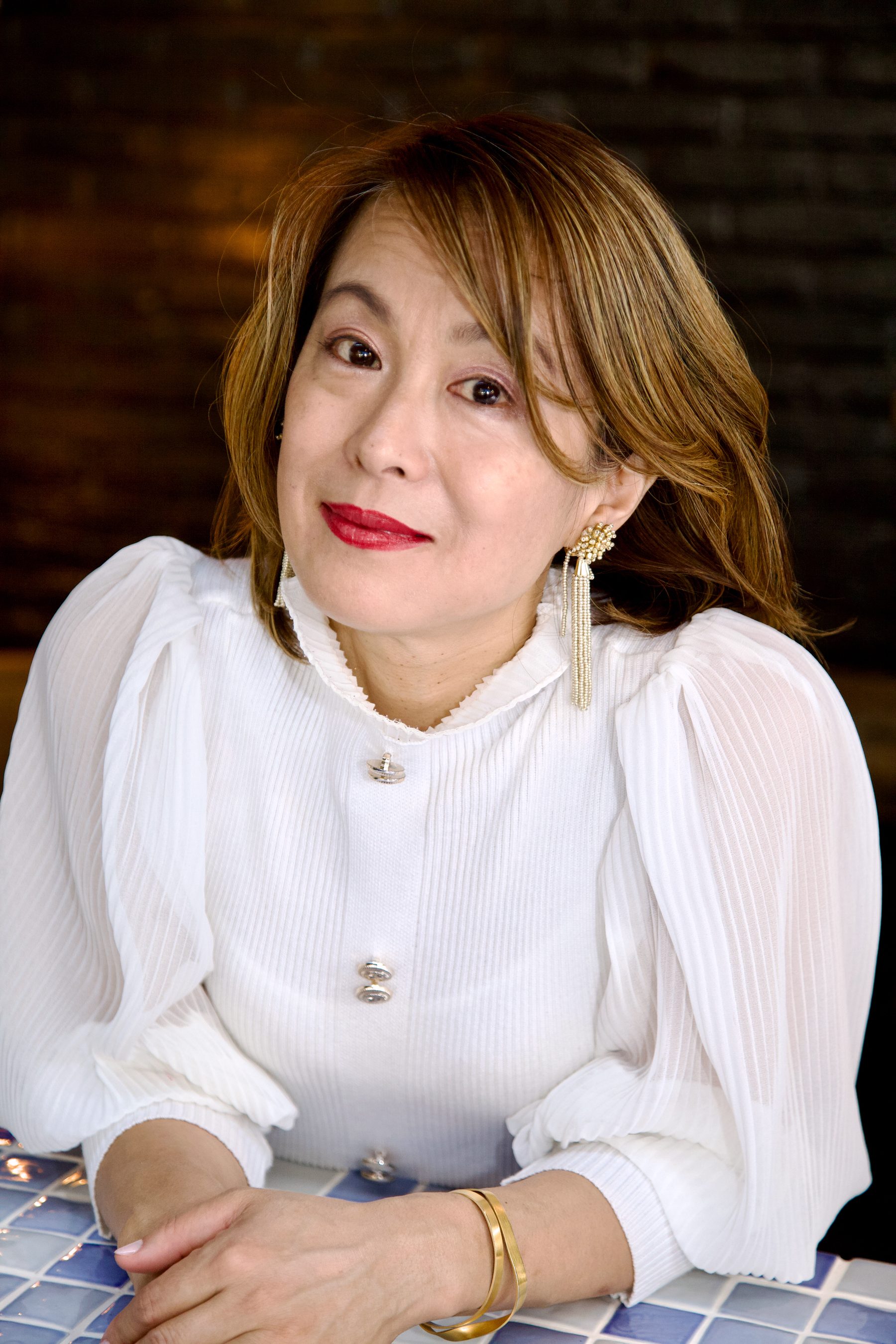
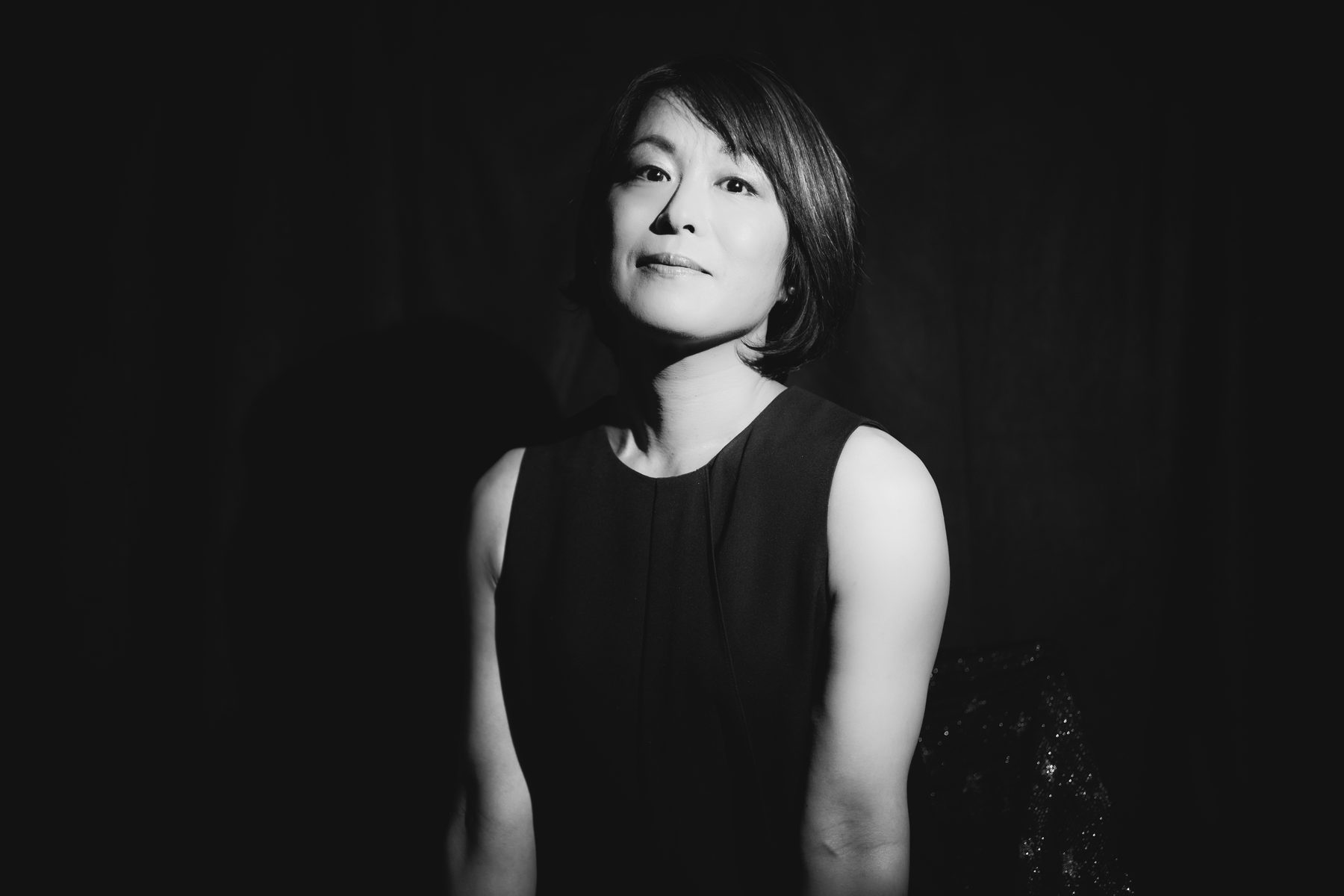
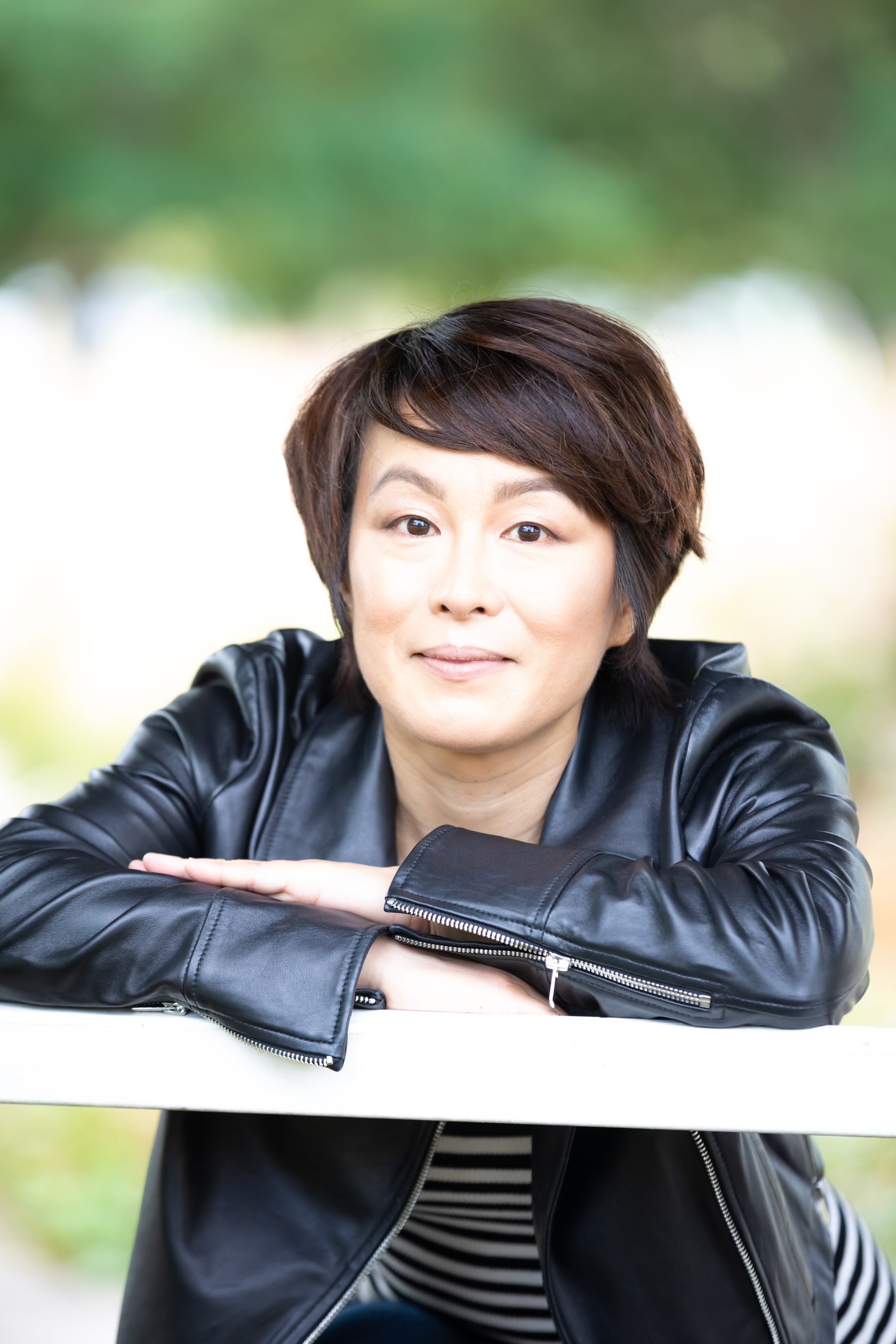
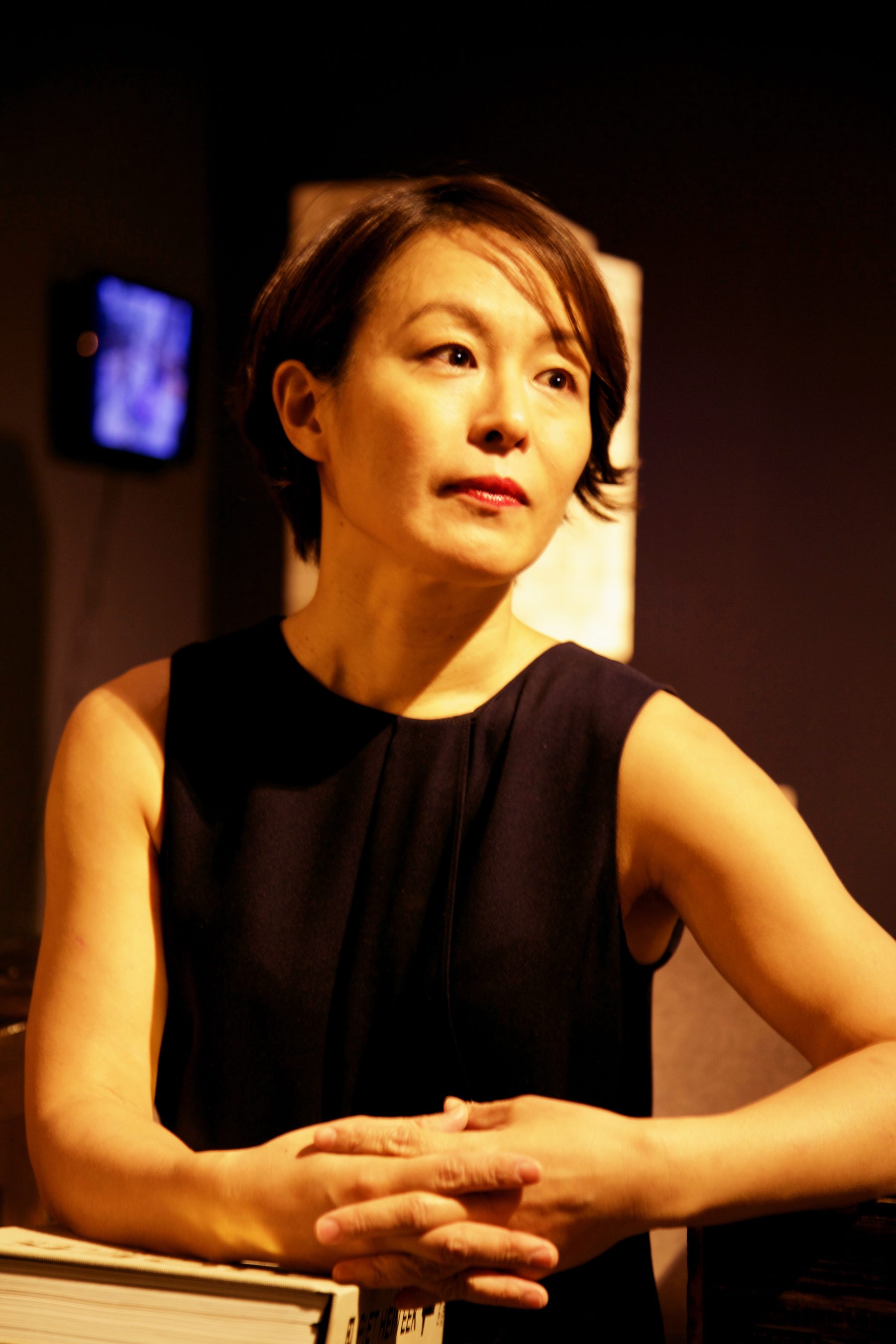
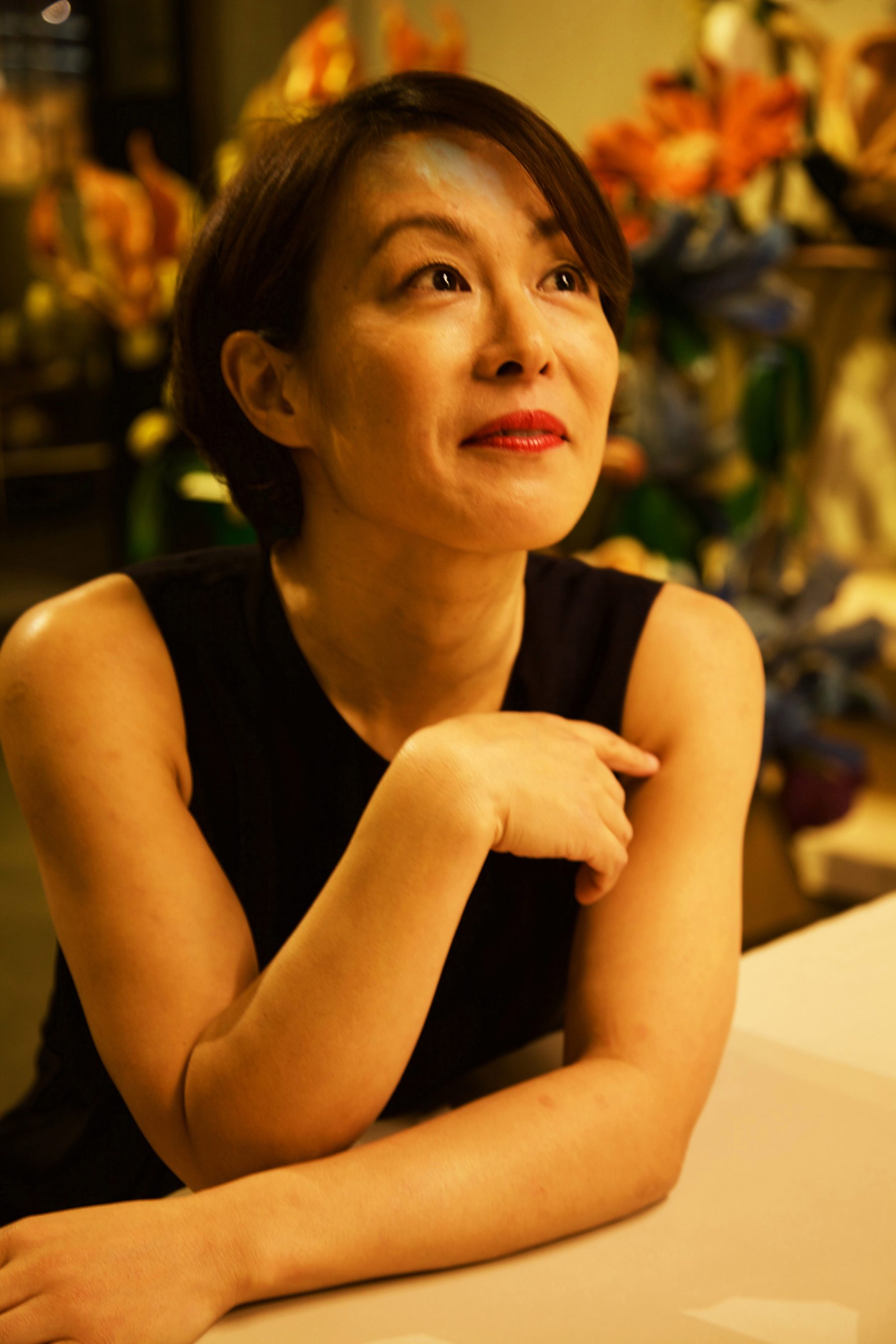
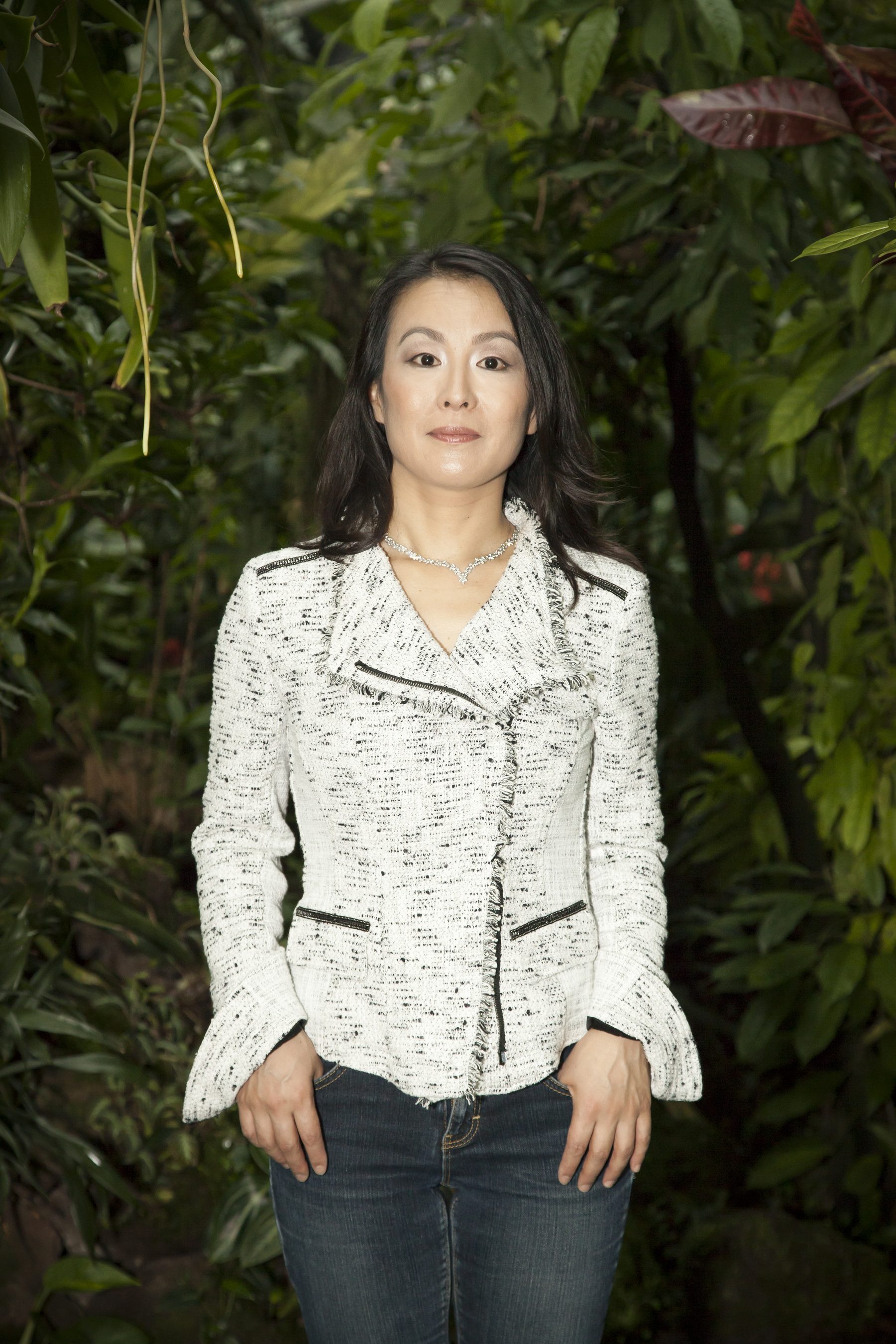
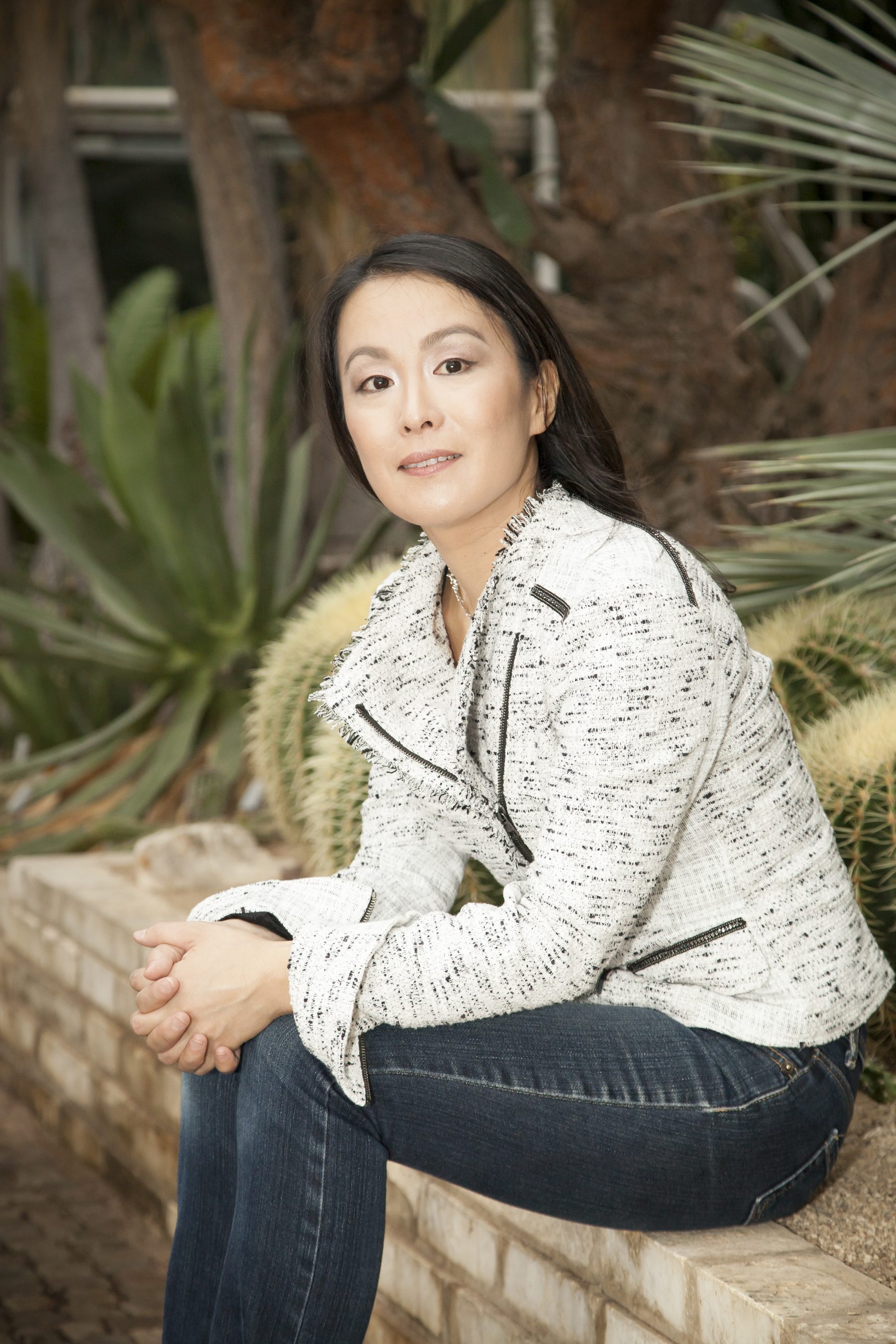
Malika Kishino, daughter of a Buddhist priest from Kyoto, has lived in Europe for three decades. She studied in Paris and Lyon, loves Debussy and Lachenmann, and writes primarily for Western instruments and electronics — energetic, sensuous, and entirely free of Far Eastern sound clichés.
Yet beneath the surface of her music, the philosophical influences of her heritage are at work: a cyclical vision of life and nature, and the balancing of beauty between light and shadow — as the author Jun'ichirō Tanizaki once described in In Praise of Shadows, Kishino's favourite book.
— Michael Strück-Schloen
Biography →京都の仏教寺院に生まれた岸野末利加は、ヨーロッパに住んで約三十年。パリとリヨンで作曲を学び、ドビュッシー、ラッヘンマンを愛し、主に西洋楽器と電子音楽のための作品を作曲している——エネルギッシュで、官能的、その音楽は、東洋的な響きの紋切り型とは無縁だ。
しかしその音楽の底流には、出自の哲学的影響が静かに息づいている。生と自然への循環的な眼差し、そして光と影のあいだに美を重ねていくこと——かつて作家・谷崎潤一郎が『陰翳礼讃』に記したように。
— Michael Strück-Schloen
プロフィール →Born in 1971 in Kyoto as the daughter of a Buddhist priest, Malika Kishino has lived in Cologne since 2005. After studying law in her homeland, she studied composition and electronic music in France at the École Normale de Paris, the Conservatoire National Supérieur de Musique et de Danse de Lyon, and IRCAM in Paris with Yoshihisa Taira, Robert Pascal and Philippe Leroux.
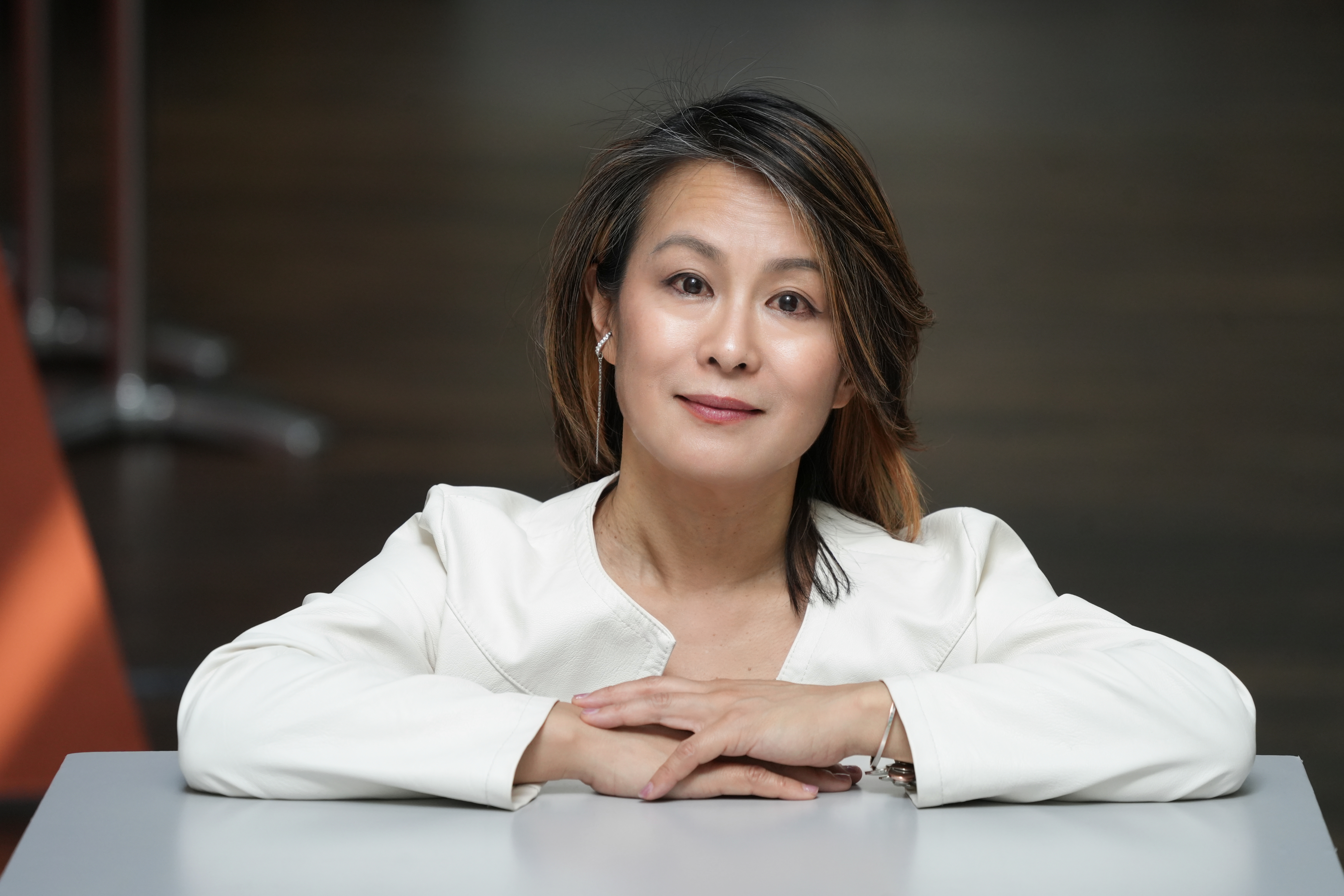
Winner of the Rome Prize 2024/25, Kishino creates 'sound organisms' as a composer, viewing her works as living beings with their own development. Her repertoire, which includes solo pieces, orchestral works, and more, consists of over 100 publications with SZ Sugar (Edizioni Suvini Zerboni).
She has received grants from the major studios for electroacoustic music including GRAME (Lyon), SWR Experimentalstudio, ZKM Karlsruhe, the Groupe de recherches musicales (INA-GRM, Paris) and Centre Henri Pousseur (Liège). She has received numerous prizes and awards including the 69th Otaka Award of NHK Symphony Orchestra in Tokyo, Rome Prize of the Deutschen Akademie Rom Villa Massimo, First Prize in the 6th concours of Groupe de Recherche Appliquée en Musique Electroacoustique (GRAME) and Ensemble Orchestral Contemporain in 2006, a fellowship from Akademie Schloss Solitude in Stuttgart, Landesregierung Nordrhein-Westfalen, and an artist's residency in Schreyahn, Germany.
Commissions and Festivals:
Présences Festival of Radio France, le ministère de la Culture et de la Communication, the Musica Festival in Strasbourg, Wittener Tage für neue Kammermusik, Donaueschinger Musiktage, Westdeutscher Rundfunk, Beethovenfest, Südwestrundfunk, Bayerischer Rundfunk, Rundfunk Berlin-Brandenburg, the Ultima Festival in Oslo, the Ultraschall Festival in Berlin, Venezia Biennale Musica, the Warsaw Autumn, Achtbrücken Festival in Cologne, Essen Now Festival, Bregenzer Festspiele, Davos Festival, Suntory Summer Festival in Tokyo, Tokyo Spring Festival, and many more.
Ensembles and Orchestras:
Deutsches Symphonie-Orchester Berlin, WDR Symphony Orchestra, SWR Symphony Orchestra, hr-Sinfonieorchester, The Vienna Symphony Orchestra, Orchestra Sinfonica Nazionale della RAI, Orchestre Philharmonique de Radio France, Orchestre National de Lyon, NHK Symphony Orchestra Tokyo, Dresden Chamber Choir, Ensemble Modern, Ensemble Musikfabrik, Ensemble Intercontemporain, Ensemble Recherche, Asko-Schönberg, Oslo Symphoniette, Les Percussions de Strasbourg, Ensemble Court-Circuit, Quatuor Diotima, Ensemble Nomad Tokyo, MDI Ensemble Milano, and many more.
Conductors:
Pascal Rophé, Fabrice Pierre, Elene Schwarz, Jean-Michaël Lavoie, Bas Wiegers, Lawrence Renes, Yoichi Sugiyama, Peter Rundel, Cristian Măcelaru, Ivan Volkov, Jonathan Stockhammer, Oscar Jockel, and many more.
Soloists:
Isao Nakamura, Dirk Rothbrust, Alexej Gerassimez, Sun-Min Shim, Roberto Fabricciani, Jeremias Schwarzer, Peter Veale, Shizuyo Oka, Oren Shevlin, Nicolas Altstaedt, Vincent Royer, Megumi Kasakawa, Matthew Lipman, Midori Seiler, Julian Prégardien, Makiko Goto, Shoko Otani, and many more.
Selected Works:
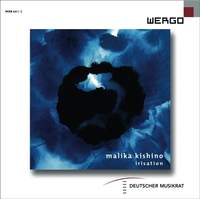
Her portrait CD Irisation was published by the Wergo label and Deutscher Musikrat as part of the Edition Zeitgenössische Musik. Her works are published by SZ Sugar (Edizioni Suvini Zerboni) in Milan.
www.malika-kishino.com ·
IRCAM Brahms →
July 2026
岸野末利加(きしの まりか)1971年京都市生まれ。1994年同志社大学法学部法律学科卒業。95年渡仏。98年、パリ・エコールノルマル作曲科、2003年フランス国立リヨン高等音楽院作曲科卒業。2004–05年イルカム(フランス国立音響音楽研究所)研究員。作曲を平義久、ロベール・パスカル、フィリップ・ルルーの各師に師事。
2024–25年度ドイツ政府によるローマ賞(ドイツ・アカデミー・ローマ・ヴィラ・マッシモ)受賞。シュトウットガルト・アカデミー・シュロスソリチュッド、ニーダーザクセン・シュライアン芸術村、ノルトライン・ヴェストファーレン州、カルフォルニア州・ジェラッシーアーティストレジデンシーや南西ドイツ放送局エクスペリメンタルスタジオ、カールスルーエ・アート・アンド・メディア・センター(ZKM)、フランス音楽研究グループ(L'Ina GRM)、アンリー・プッスール電子音楽スタジオなどの奨学招待作曲家。第69回NHK交響楽団主催尾高作曲賞受賞。2024年度モナコ・ピエール大公財団作曲賞ノミネート。
2006年からドイツのケルンを拠点に作曲活動を行い、作品は全てSZ-Sugar(ミラノ・スビーニ・ゼルボーニ社)から出版されている。
2026年以降の初演予定作品
ドイツNRW州立ユースオーケストラ委嘱《Butterfly Dream / 胡蝶の夢》、東京国際ギターコンクール2025年課題曲《水紋》、アンサンブル・モデルン委嘱《Verlorene Farben》(テノールとアンサンブル)、アンサンブル・エルマ&ドイツ・ミュージック・ラート共同委嘱《Hydra》、横浜みなとみらいホール委嘱《Ha-Mon 波紋》、Zamus委嘱《いろは唄》、ジョルジュ・エネスク国際コンクール課題曲《Waves of Gravel》(チェロ独奏)、トロンポ国際打楽器コンクール課題曲《打楽器コンチェルト》、2027年カブリヨ現代音楽祭《雷神の言葉》完全版など。
委嘱団体・音楽祭
ドナウエッシンゲン音楽祭、ヴィッテン室内楽現代音楽祭、ベルリン・ウルトラシャル、ブレゲンツ音楽祭、エッセン・フィルハーモニー、ケルン・アハトブリュッケン音楽祭、ラジオフランス・プレザンス、フランス文化省、ストラスブール・ムジカ、リヨン・ビエナーレ、ベネチア・ビエナーレ、オスロ・ウルティマ音楽祭、ワルシャワの秋、ブリュッセル・アルス・ムジカ、ウィーン・モダーン、WDR、ドイツランド放送、SWR、バイエルン放送、ソウル文化ファウンデーションなど。
演奏団体
フランス国立放送フィルハーモニー管弦楽団、フランス国立リヨン管弦楽団、ベルリン・ドイツ交響楽団、ケルンWDR交響楽団、SWR南西ドイツ放送管弦楽団、フランクフルト放送管弦楽団、ウィーン交響楽団、NHK交響楽団、東京混声合唱団、アンサンブル・ムジークファブリク、アンサンブル・モデルン、アンサンブル・アンテルコンタンポラン、ストラスブール・パーカッション・グループなど。
代表作
《箏コンチェルト》(2013、ラジオ・フランス委嘱)、《Shades of Ochre》(2017、NHK交響楽団委嘱)、《Percussion Concerto》(2021、エッセン・フィルハーモニー委嘱)、《What the Thunder Said / 雷神の言葉》(2021、WDR委嘱、第69回尾高作曲賞受賞)、《Wolkenatlas》(2022、SWR委嘱、モナコ・ピエール大公財団作曲賞ノミネート)、《Shades of Echoes》(2022、ケルン・アハトブリュッケン委嘱)、《散華》(2016、フランス文化省委嘱)、《Quinta Materia》(2025、ヴィッテン音楽祭委嘱)、《Monochromer Garten》シリーズ、《Nox》シリーズなど。
www.malika-kishino.com ·
IRCAM Brahms →
2026年5月現在
Programme note — to be added
The poem uses each of the 47 sounds of the Japanese syllabary exactly once, combining the qualities of a perfect pangram with the poetic condensation of Buddhist thought. In the ancient mysticism of letters, the elements of a writing system were considered mirrors of the universe — thus, the Iroha can be seen as a "periodic table" of sounds, yet with an inner, transcendent beauty.
This poem is based on the four-verse gāthā found in the Buddhist Nehan-gyō (涅槃経), adapted into classical Japanese verse (imayō) without changing the original meaning. The piece is structured in four movements:
I. Iroha — Although the colors (of the flowers) are fragrant, they still fall away.
II. Waka Yo — What is truly constant in our world?
III. U-I — Surpassing the distant mountains of impermanence,
IV. Yume — There is no longer a shallow dream, nor any lingering intoxication.
Additionally, the first seven syllables (i, ro, ha, ni, ho, he, to) correspond to the German pitches A, H, C, D, E, F, G.
When I think of the human voice, a vivid memory comes to mind. In my childhood, I often heard the recitation of Buddhist sutras — performed not only by priests, but also by elderly women from the neighborhood, who gathered in groups to chant together. When they sang, there were always subtle differences in tempo and intonation, and each voice could be heard individually. In this way, a "spectrum" of communal singing emerged, composed of many distinct voices. The recitation of a sutra is a form of prayer — and I understood early on that praying and singing share a common root.
(March 2026, Cologne — Malika Kishino)
Programme note — to be added
Verlorene Farben sets a text by Julian Prégardien, inspired by a scene from Haruki Murakami, structured in three movements:
I. ans weiße Licht
II. Kawatta (Veränderung / Change)
III. im Spiegel
Atme die Erinnerung ans weiße Licht, die Farben, die dich einst umgaben.
Blicke tief in deine Jugend, umarme die Veränderung.
Du siehst in deiner Augen Schein, an deines Haares Länge nicht die Zeit.
Wer ist es, den du siehst im Spiegel, mit dir gemeinsam einsam?
(Text by Julian Prégardien)
Iki, Kioku, Iro, Shiro, Shiroi Heikari E
Kawatta, Kaotsuki mo Kawatta
Nakatta, Shonen no Kao wa Nakatta
Dare? Kimi wa dare?
Kagami no naka
Kodoku, Kodoku o Wakatsu
Kimi wa dare?
(Japanese text adapted and translated by the composer)
Programme note — to be added
Zhuang Zhou once dreamed he was a butterfly. When he awoke, he was Zhuang Zhou again. But he did not know — was he Zhuang Zhou dreaming of being a butterfly, or a butterfly now dreaming he was Zhuang Zhou? This is called the Transformation of Things.
This timeless parable from the Zhuangzi serves as the inspiration for Butterfly Dream. At its heart lies a profound question: Where does the dream end and reality begin? Zhuangzi's philosophy invites us to reflect on the fluidity of existence, where the boundary between self and other, dream and waking, is elusive, shifting like mist.
Music, too, exists in this same in-between space. It is made of invisible sounds — born, changing, and vanishing in time. Yet, within those fleeting moments, music can create vivid, deeply personal experiences. Listening becomes a kind of dream, in which we are free to drift, to fly, to become.
In Butterfly Dream, I sought to capture this sense of transformation and freedom. The music flows between contrasting elements — light and shadow, softness and force, elusive motifs that shimmer like dreams, and clear, stable gestures that provide grounding, like reality itself. Through this ever-changing movement, I hope to evoke a space where sound, like a dream, flows freely without boundaries.
In Japanese culture, the butterfly symbolizes life and vitality. May the energy of these young musicians take flight like butterflies, stirring the hearts of all who listen.
(Malika Kishino, Kyoto, August 2025)
INTERVIEW — LANDESJUGENDORCHESTER NRW · JAHRESBROSCHÜRE 2026
Frau Kishino, Sie haben für das Landesjugendorchester NRW komponiert. Was hat Sie an dieser Arbeit besonders gereizt?
Die Faszination des Orchesters liegt in seinen farbenreichen Klängen, der enormen Energie des Klangs und den erstaunlichen Kontrasten. Die Möglichkeiten, die sich daraus ergeben, sind für mich unendlich (Infinity). Es hat mich besonders angesprochen, diese Klangvielfalt und Energie mit jungen Musikerinnen und Musikern zu teilen.
Was bedeutet es Ihnen, für ein junges Orchester zu komponieren?
Es bedeutet, Zeit durch die Musik zu teilen. Ich sehe Musik als einen lebendigen Klangorganismus. Ich möchte zusammen mit den jungen Orchestermusiker:innen den „Klangorganismus" der Musik erleben.
In Ihrem Stück „Butterfly Dream" beziehen Sie sich auf ein Gedicht des chinesischen Philosophen und Schriftstellers Zhuangzi, welcher darin der Frage nach der eigenen Identität nachgeht. Können Sie eine Botschaft oder ein Gefühl beschreiben, das Sie mit Ihrem Werk vermitteln möchten?
„Bin ich im Traum ein Schmetterling gewesen oder bin ich ein Schmetterling, der träumt, ein Mensch zu sein?" – Diese Frage betrifft nicht nur das Thema Identität, sondern spiegelt auch die Vergänglichkeit von Grenzen zwischen Realität und Fantasie sowie zwischen dem Selbst und dem anderen wider.
In unserem heutigen Leben fließt unaufhörlich eine Vielzahl an Informationen über Fernsehen, Zeitungen und Smartphones zu uns. Es gibt Klimakatastrophen, Kriege in anderen Ländern und harte Realitäten, während wir gleichzeitig in unseren eigenen vier Wänden sitzen und diese Welten durch unsere Smartphones erleben. Unsere moderne Lebensrealität erscheint mir genau wie diese Frage.
Schmetterlinge sind seit jeher ein Symbol in vielen Geschichten und Legenden. Zum Beispiel steht der Schmetterling in Japan für Vitalität und Seele. Ich möchte, dass alle, egal in welcher Situation, ihre eigene Lebensenergie und Stärke bewahren und ihrem gewählten Weg treu bleiben.
Welche Rolle spielt für Sie das Hören und das Einlassen auf Klänge im Vergleich zu strukturellen oder theoretischen Aspekten beim Komponieren?
Wie der Titel Butterfly Dream schon andeutet, sehe ich Musik als eine magische – fast traumhafte – Erfahrung, die den Zuhörer:innen eine dichte, intensive Zeit vermittelt. Diese Zeit kann ein traumhafter Zustand sein, vielleicht sogar eine tiefgreifende, unbekannte Erfahrung. Selbst wenn nur zehn Minuten vergehen, fühlt sich die Zeit mit Musik ganz anders an, als wenn sie fehlt. Ich möchte diese dichte, magische Zeit durch den Einsatz von Klangenergie erschaffen und den Zuhörer:innen vermitteln.
Was wünschen Sie sich von der Uraufführung – für das Publikum, das Orchester und vielleicht auch für sich selbst?
Ich wünsche mir, dass die jungen Musiker:innen den Prozess des Spielens eines neuen Werkes genießen und sich von der Entstehung der Musik inspirieren lassen. Ich hoffe, dass das Publikum durch die Musik der Musiker:innen eine „traumhafte" Zeit erleben kann. Und für mich selbst wünsche ich mir, dass ich die Musik hören kann, die ich hören wollte.
— Kira Mohr
Programme note — to be added
L'imagination est un arbre. Elle a les vertus intégrantes de l'arbre. Elle est racine et ramure. Elle vit entre terre et ciel. Elle vit dans la terre et dans le vent. L'arbre imaginé est insensiblement l'arbre cosmologique, l'arbre qui résume un univers, qui fait un univers.
(Gaston Bachelard)
Imagination is a tree. It has the integrative virtues of a tree. It is root and boughs. It lives between earth and sky. It lives in the earth and the wind. The imagined tree imperceptibly becomes a cosmic tree, the tree which epitomises a universe, which makes a universe.
(Gaston Bachelard, translated by the composer)
Programme note — to be added
Cello vibrato is a deeply personal means of expression, reflecting the individuality of each performer. Its range is remarkably wide — spanning from fierce, turbulent motion like rough ocean waves to quiet, delicate motion like gentle ripples. In this work, these diverse vibratos themselves serve as the primary material from which the music is built.
I have long been fascinated by Japanese gardens and their methods of construction. Inspired by the aesthetic of expressing the gardener's inner world through a minimal selection of elements — such as gravel, stones, and plants — Waves of Gravel draws particular inspiration from the waves formed in raked gravel, and from their distinctive texture.
The coarse and fine waves traced in raked gravel, suggesting rivers and the ocean, mirror the many varieties of vibrato. These patterns are not realistic depictions of nature, but rather expressions of life's turbulence and calm, and of the passage of time itself.
Through vibrato that is at times fierce, at times profound, and at times tender, I hope each performer will express their own richly personal reservoir of waves, flow, and sea.
(23 April 2026, Cologne — Malika Kishino)
Programme note — to be added
Ensemble Muromachi — World Premieres: 25 October 2024, Musashino Civic Cultural Hall, Tokyo
Programme note — to be added
Academic writings and research dedicated to the works of Malika Kishino